Subscribe to receive our daily tech reviews
Lorem ipsum dolor sit amet, consectetur adipiscing elit ut liqua purus sit amet luctus venenatis, lectus magna.


There's More to Korean Soju Than You Think: Jari Is Here to Prove It
Drawing on centuries-old distilling traditions, jari arrives in New York with three expressions and a taste of Korea's lesser-known drinking heritage.
Korean cuisine has become a fixture of New York City's dining scene, from the bustling streets of Koreatown to Michelin-starred dining rooms where a proper meal can set you back a small fortune. Now, South Korean food and beverage company CJ CheilJedang is looking to bring another piece of the country's culinary heritage to American tables: traditional Korean spirits.
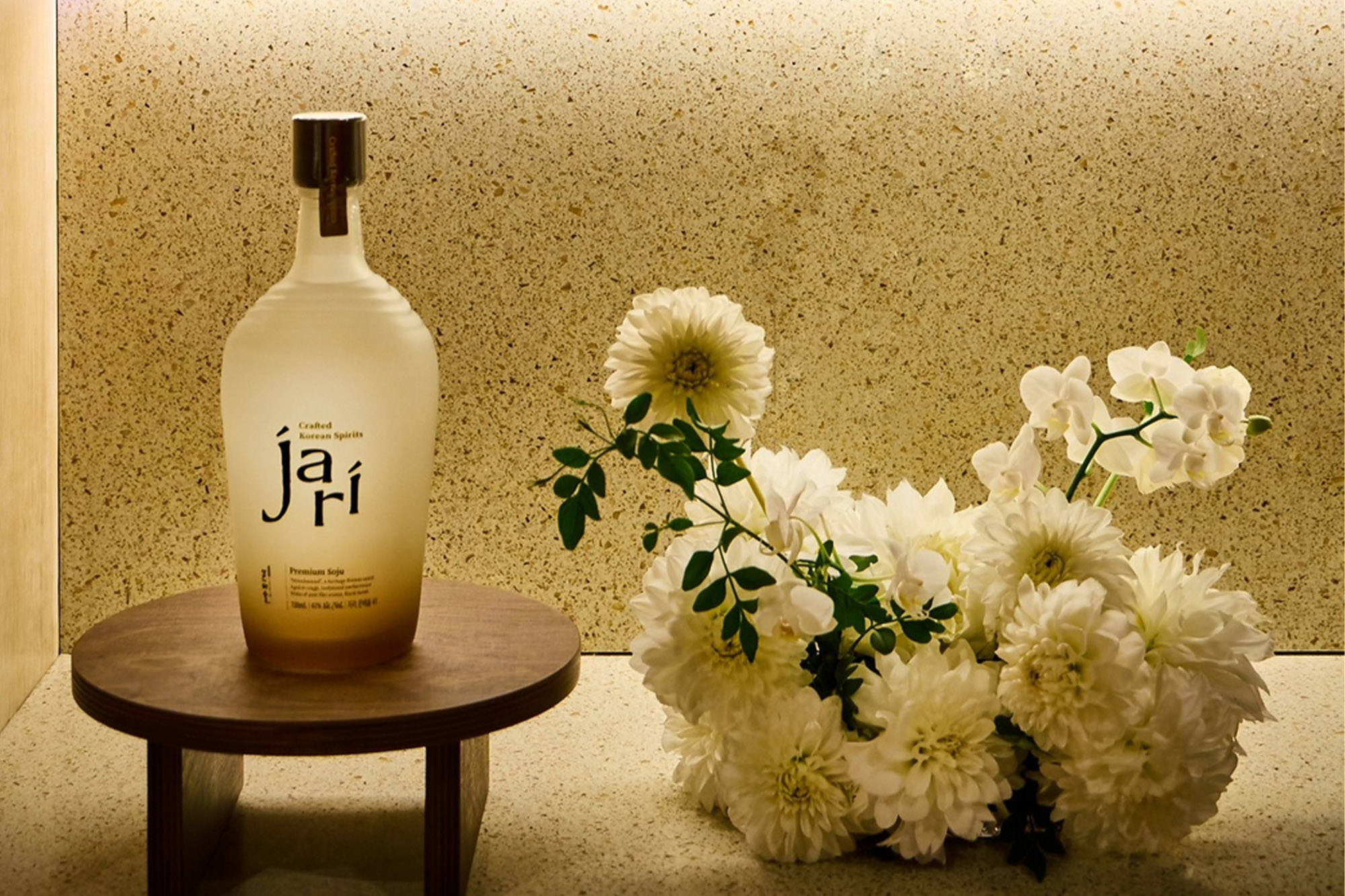
For drinkers curious about Korean spirits beyond the familiar bottles of mass-market soju, tracking down traditional expressions can feel like a scavenger hunt through specialty liquor stores. Following its debut in South Korea earlier this year, CJ CheilJedang introduced jari, a premium Korean spirits brand, to the United States in September. The lineup includes three expressions: Moonbaesool 24, Moonbaesool 41, and Gamuchi 24, with an initial rollout at select New York restaurants and retailers this fall.
Most Americans probably know soju by its ubiquitous green bottle, which we can all agree pairs perfectly with Korean BBQ and late-night karaoke sessions. But Korean distilling has a history that predates either pastime by several centuries. Take Moonbaesool, for example. Its origins stretch back to the Goryeo Dynasty, nearly a thousand years ago, and the spirit was designated part of Korea's National Intangible Cultural Heritage in 1986. Made from Korean-grown millet, sorghum, and rice, jari offers Moonbaesool in two expressions: a lighter 24% ABV and a more potent 41%.
Then there's Gamuchi 24, a rice-based spirit made with rice from Chungju and bottled at 24% ABV. The brand describes delicate rice aromas, a touch of sweetness, and a savory finish. All three expressions spend time in onggi, traditional unglazed earthenware jars, aging throughout the four seasons. It's a traditional Korean approach to maturation that offers a stark contrast to the oak barrels familiar to those with a taste for whiskey or brandy.

The name jari translates roughly to "place" or "seat" in Korean, reflecting the simple pleasure of gathering around a table with good food, good drinks, and good company. The spirits are intended to be enjoyed neat, alongside Korean cuisine, or mixed into cocktails. To mark its U.S. debut, CJ hosted a five-course pairing dinner at Manhattan's Moono on September 22, featuring dishes from Michelin-starred chef Hoyoung Kim and cocktails by Seoul-based mixologist Du-ui Hong.
Korean food has easily become a New York staple. Traditional Korean spirits, however, haven't always enjoyed the same recognition. With jari making its way into the New York restaurant scene this October, serving Joo OK, Jungsik, C as in Charlie, and more, we are excited to see these drinks receive the well-deserved attention the food has already been enjoying for years.