Subscribe to receive our daily tech reviews
Lorem ipsum dolor sit amet, consectetur adipiscing elit ut liqua purus sit amet luctus venenatis, lectus magna.


Inside Red Hook Barrel Yard: Where Brooklyn’s Once-Forgotten Waterfront Is Becoming a World of Its Own
At the edge of Brooklyn, Mark Snyder and Christopher Nicolson are reshaping an industrial waterfront around wine, whiskey, cider, and hospitality.
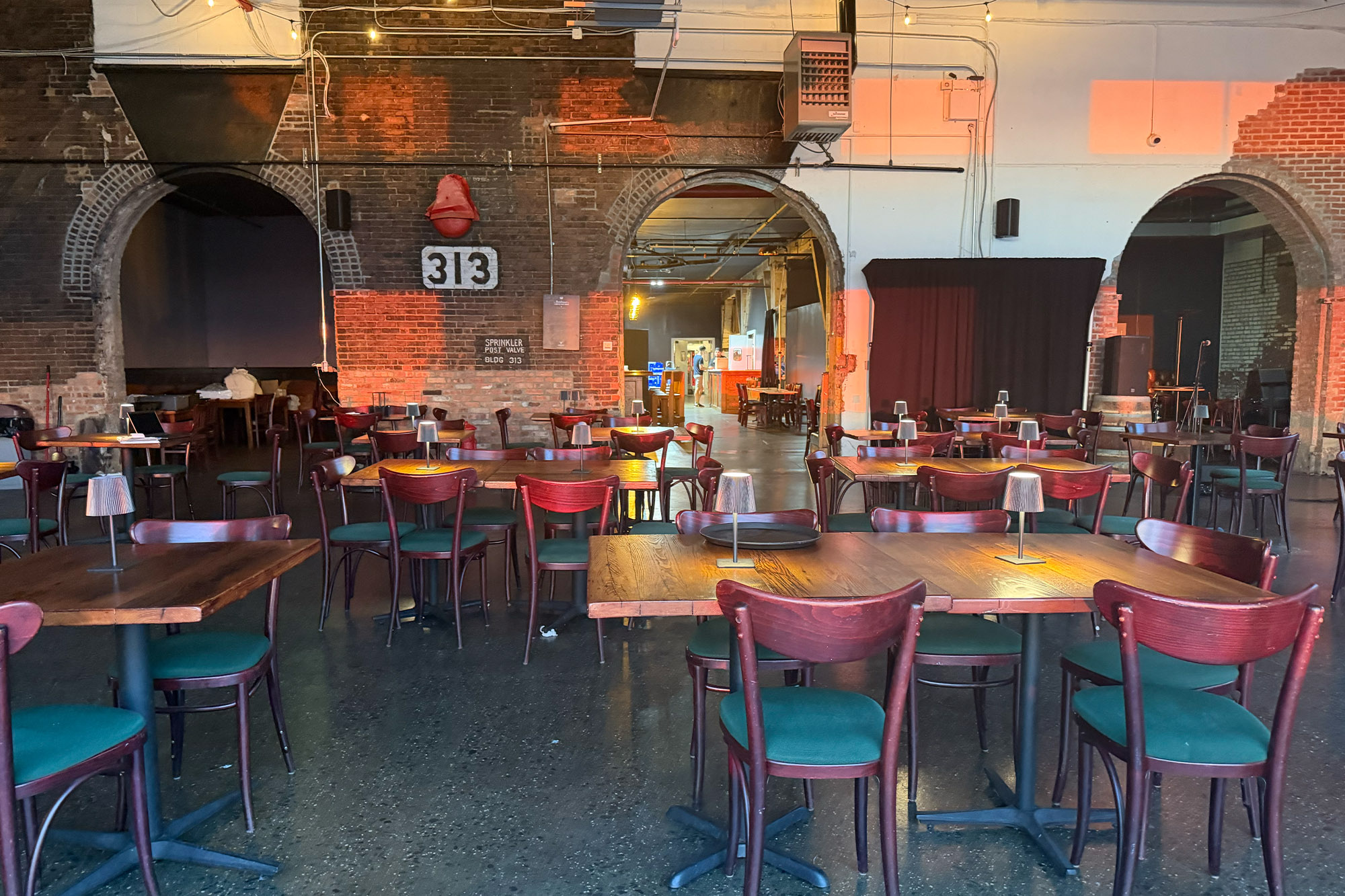
There is something appropriate about having to work a little to get to Red Hook.
New York prides itself on immediacy. Subway entrances sprout from the concrete every few blocks, restaurants crowd one another for attention, and entire neighborhoods can offer enough cultural immersion to make you reconsider an international flight. Red Hook, by contrast, has long been something of a mystery to most New Yorkers — an industrial waterfront seemingly built for all work and no play. It sits at Brooklyn’s edge, facing the harbor and just far enough removed from the city to feel like its very own world.
And that’s where I found Red Hook Barrel Yard.
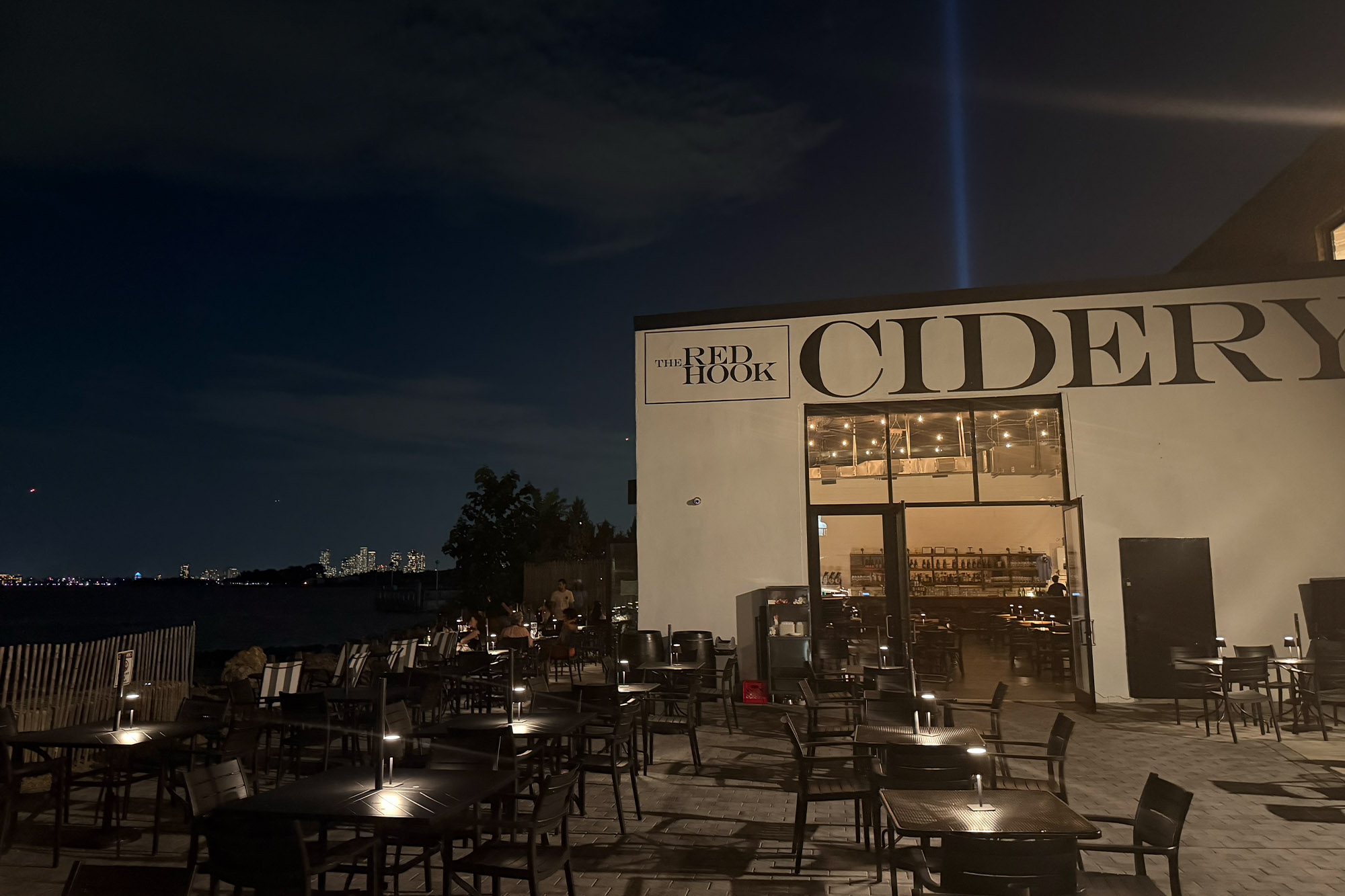
The sprawling project brings together Red Hook Winery, Red Hook Cidery, an emerging distillery, and a growing collection of waterfront dining and hospitality spaces under a single umbrella. For proprietor Mark Snyder, the name itself eventually became a matter of practicality. Telling someone to visit the winery, cidery, or distillery had simply become too unwieldy.
“So we just call it Red Hook Barrel Yard,” Snyder explained. The larger name encompasses the individual operations and, increasingly, the idea behind all of them.
But before there was a Barrel Yard, there was wine.
A winery rebuilt from the waterline
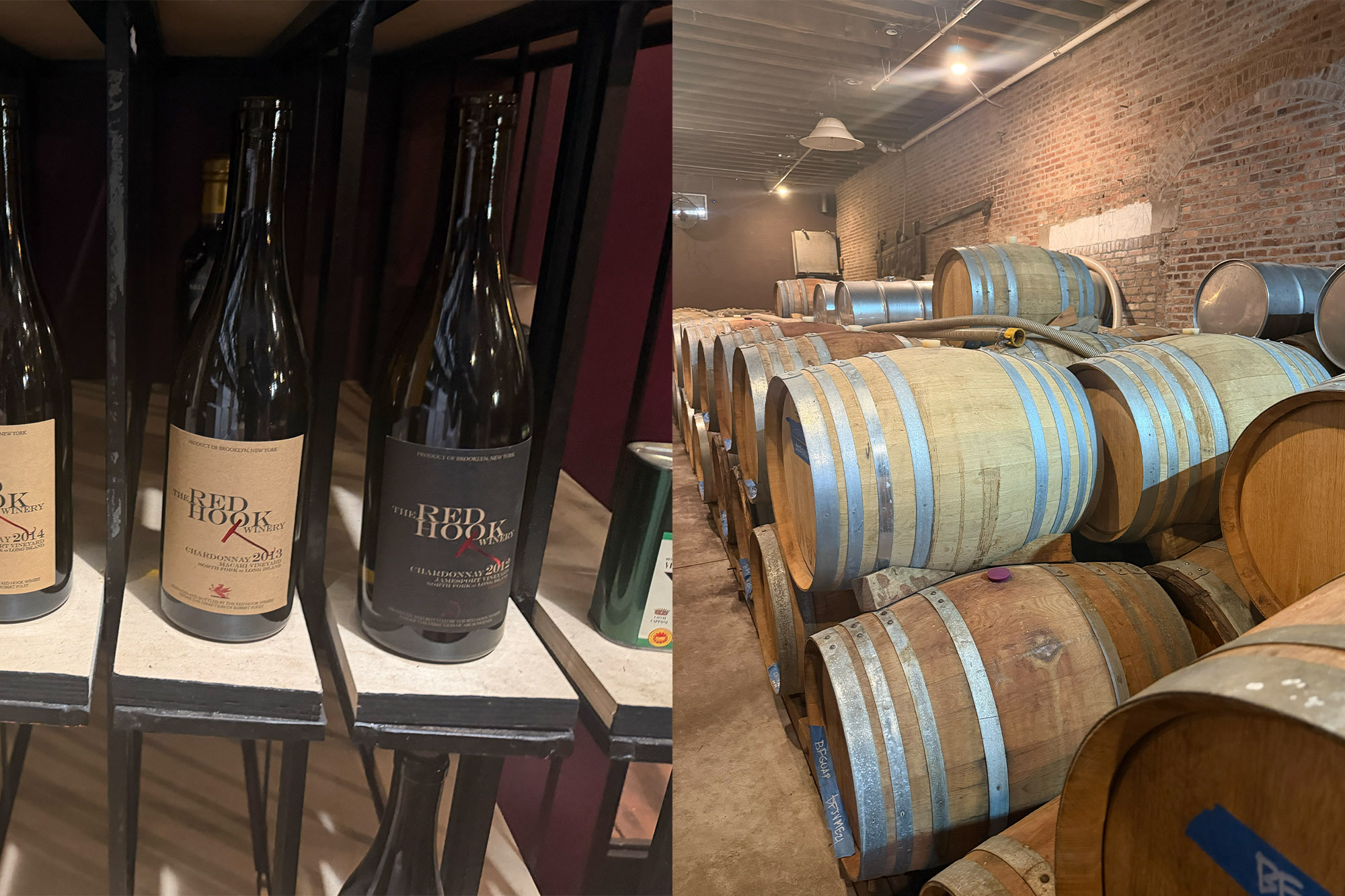
Red Hook Winery began in 2008, initially operating a few streets away from its present home. By 2012, the operation had moved to the waterfront. The timing could hardly have been worse — they arrived just before Superstorm Sandy.
“We lost everything,” head winemaker Christopher Nicolson recalled. Water rose high enough inside the winery that the entire operation had to be rebuilt.
Nicolson describes the project as Snyder’s vision. Snyder funded the winery himself, Nicolson said, and after Sandy destroyed it, he rebuilt. The two had met around the winery’s beginnings through mutual connections in the wine world, with Nicolson coming aboard as winemaker.
Nicolson jokingly calls himself a “hired gun” among this sprawling waterfront operation, although spending an hour with him among the barrels makes that description feel comically insufficient. He approaches wine as if every barrel is a continuing conversation. Every grape and every vintage carries the imprint of the people behind it — the growers, the harvesters, and Nicolson himself, carefully guiding the wine through its life in the barrel yard.
At one point during our tasting, he surveyed the cellar and described the wines around him almost like a house full of individual personalities. That sentiment became easier to understand as we tasted them.
Red Hook isn’t exactly a wine appellation suited for growing succulent fruit. The wine itself begins somewhere very different.
Nicolson works extensively with growers on Long Island’s North Fork, sourcing grapes from properties and people he knows personally. His relationship to those vineyards is not abstract. He goes there.
For one Merlot rosé, he described arriving in the vineyard in the morning and picking fruit alongside the farmer’s crew. The grapes are loaded up and driven back toward Brooklyn, where traffic can push his return into the late afternoon. Then Nicolson unloads the fruit and presses it himself.
He is intensely hands-on with the winemaking, from harvest through fermentation and aging. Nicolson jokes about not being much of a delegator, but the impression is less one of stubbornness than attachment to the process. He likes being there for it.
That intimacy extends to the growers. When asked how he decides which vineyards to work with, Nicolson returned repeatedly to friendship. Some of those relationships stretch back across much of the winery’s history. His point was not that no other talented farmers exist, but that years of working together create familiarity: he understands how they farm, they understand how he makes wine, and over time the relationship begins to shape the wine itself.
The same patience runs through his approach in the cellar. Most white wine is not expected to spend half a decade sitting in a barrel.
Nicolson knows this.
He does it anyway.
“A bunch of the wines here, they’re ridiculous,” he said while leading us deeper into the cellar.
Some of his whites remain in the barrel for five or six years. He was quick, however, to reject any suggestion that he had discovered a superior method everyone else somehow missed. The reasoning was much less grandiose — he likes the wines.
“I just think I’m onto something because I like it,” Nicolson told us.
If the resulting wine is good and brings pleasure to the people drinking it, that is reason enough for him to keep experimenting.
Acidity, he believes, helps make that extended aging possible. Fruit with enough structure can survive years in the barrel without losing itself. One white we tasted had spent nearly six years there; another Sauvignon Blanc was approaching four.
Throughout the tasting, Nicolson kept returning to one characteristic he associates with the North Fork: salinity.
“There’s something kind of salty about the wine,” he said of one bottling, connecting that savory character to the maritime environment surrounding Long Island. It is a quality he finds particularly appealing at the table.
Nicolson also works with skin-fermented white wines, but even there his interest lies less in chasing trends than in what the technique can contribute to a specific wine. He is wary of orange wine becoming an aesthetic category unto itself, where process overshadows vineyard, place, and character.
His own preference leans toward restraint. The technique should contribute to the wine rather than become the reason the wine exists.
New York wine on its own terms
That focus on place also shapes the way Nicolson thinks about New York wine.
American consumers tend to associate domestic wine with California. Working in wine retail, I see it constantly: customers approach the domestic section and immediately ask for Napa, Sonoma or another familiar West Coast name.
Nicolson grew up in the West rather than New York, which perhaps gives him a different relationship to the insecurity surrounding local wine. He has heard New Yorkers dismiss their own wines because they are not California and they are not France.
To him, that misses the point.
“Look what you have,” he said.
As an outsider, Nicolson finds northeastern wine compelling precisely because it is itself. The farming is different. The climate is different. The resulting wines are different.
“We’re not California. We’re not France,” he said.
Rather than treating that as a deficiency, Nicolson sees it as the reason New York wine is worth paying attention to.
Near the end of our tasting, after moving through rosé, long-aged whites, skin-contact wines, Cabernet Franc and a remarkably old late-harvest Chardonnay, I tried to explain my surprise to Nicolson.
Working around wine, you become accustomed to hearing romantic stories attached to bottles from thousands of miles away — the Loire, Beaujolais, Burgundy, Georgia, Italy.
Standing in a barrel room in Red Hook, I realized how unnecessary the passport suddenly seemed.
“I thought I’d have to go to Beaujolais or the Loire Valley to find wines like these,” I told him. “Turns out, all I had to do was take the F train.”
Nicolson laughed.
“That’s so cool. That’s your headline.”
It didn’t become the headline, but he understood the point.
A world of its own
Eventually, we emerged from the barrels and into the larger Barrel Yard, where the project began to make sense as something more than a collection of beverage businesses sharing an address.
The winery came first, the cidery followed later, and then came the distillery, the newest production component and, during our visit, so new that its equipment had only recently been assembled.
Around those spaces, Snyder has been building the other half of the experience: somewhere to actually spend the day.
There is waterfront seating, event space, kitchens, pizza, oysters and clams, along with food tied to the revival of the historic Lundy’s name. Snyder described hot and cold kitchens, a raw-bar component, and separate areas that can shift between everyday service and private events.
By the time we sat down for a full meal, the distinction mattered.
Mozzarella cakes came with a savory, fruit-forward marinara sauce, while the chargrilled oysters arrived bursting with smoke, garlic, and just the right amount of butter. Lundy’s famous clam bisque brought a little history to the table, rich and comforting without feeling out of place beside the water.
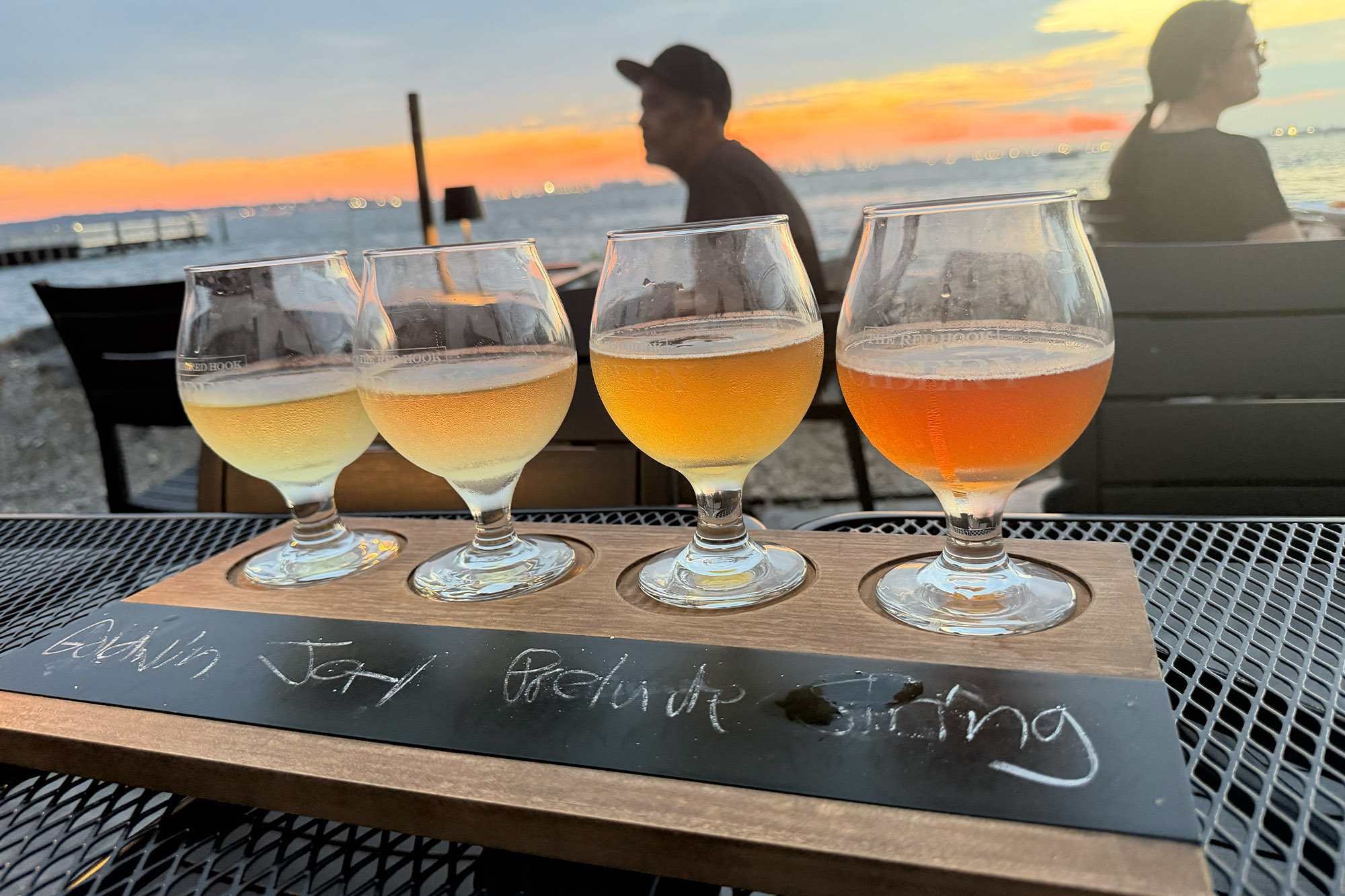
A cider tasting rounded things out and pulled us even further into the Barrel Yard’s growing world.
What stood out most was how naturally the food fit into the larger experience. The dishes felt at home beside the water and gave the drinks something to play against, making it easy to understand why so many people seemed perfectly content to settle in for the afternoon.
By that point, the Barrel Yard started feeling more like exactly what Snyder envisioned: a place where one experience seamlessly leads into the next.
This is not a tasting room where you sample a few wines, buy a bottle and immediately begin figuring out how to get back to Manhattan.
The food, the water and the scale of the property encourage you to settle in for an escape from the bustle and noise of the city. Around us, some people had come for wine, others were eating, and still more were simply sitting near the harbor with drinks in hand.
What Snyder is building works because the individual reasons for visiting begin to blur together once you arrive.
The same philosophy applies to the bars. Snyder does not want five interchangeable places serving identical menus; each area is intended to retain its own specialty.
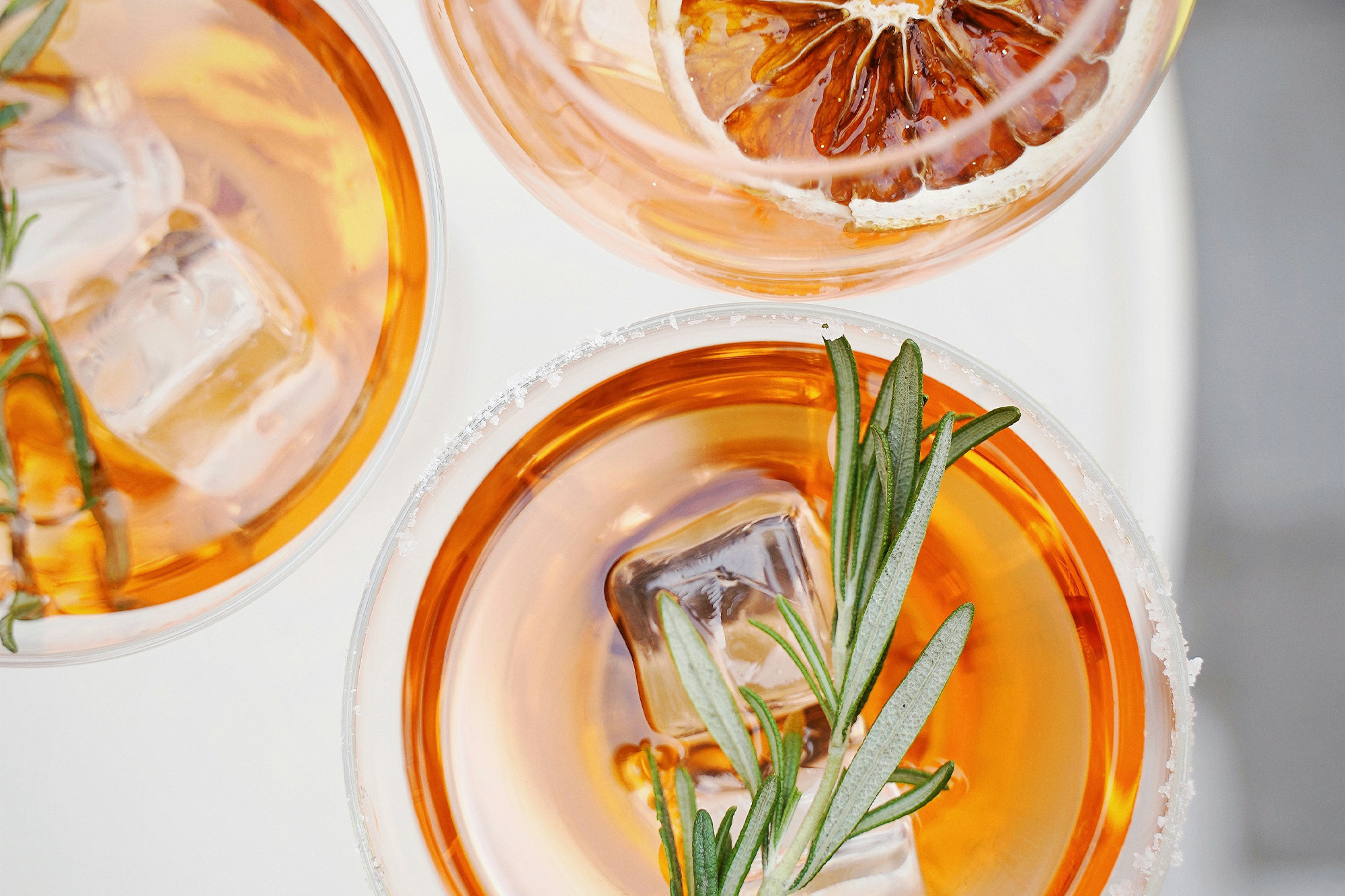
At the winery, a guest might have access to a deep range of wines while still being able to order a cider or cocktail. If that cider catches their attention, they can wander over to the cidery and explore the category more seriously.
“The food is everywhere,” Snyder explained. “The food supports each location.”
The goal is continuity. You arrive for one thing and discover another.
What appealed to him about that concept was the ability to spend hours moving between different experiences without completely leaving the larger one. You could eat somewhere, shop elsewhere, have a snack, then end the day in an entirely different part of the building while maintaining a sense of continuity.
“I love that idea of being able to have different unique experiences under one roof,” Snyder said.
At Red Hook Barrel Yard, that might mean wine followed by cider, dinner, cocktails and eventually something hidden away in another corner of the property.
The danger, we joked, is eventually forgetting how to get home.
Snyder laughed.
“Exactly.”
The emerging distillery adds another world to explore.
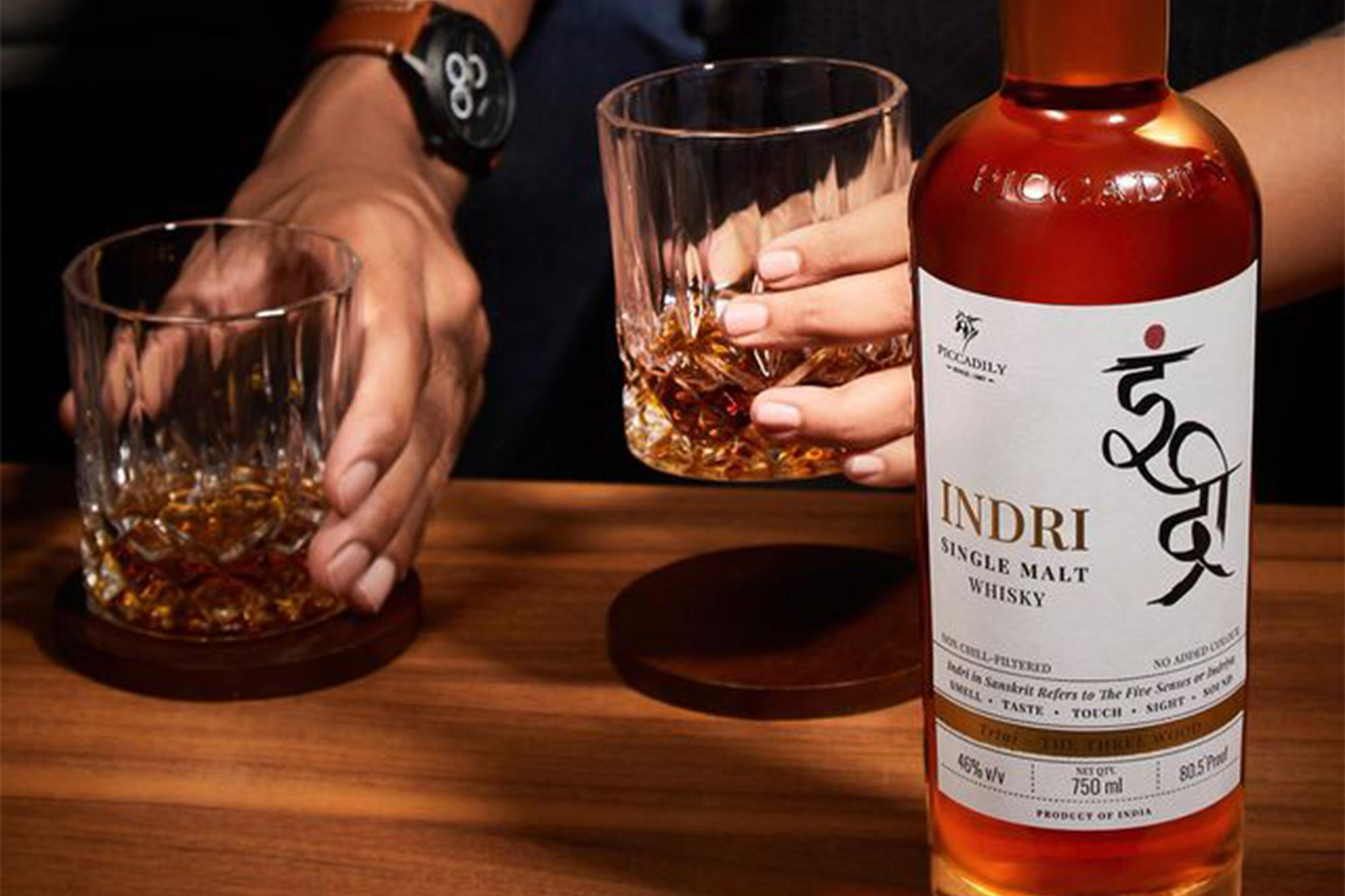
A new copper setup includes five pot stills and four column stills, giving the team room to produce everything from gin and vodka to grappa, brandy, amaro and whiskey. Gin and vodka can enter the market relatively quickly, while whiskey, on the other hand, demands patience.
A distiller can install equipment today and still wait years before mature house whiskey is ready, so Snyder has devised a bridge.
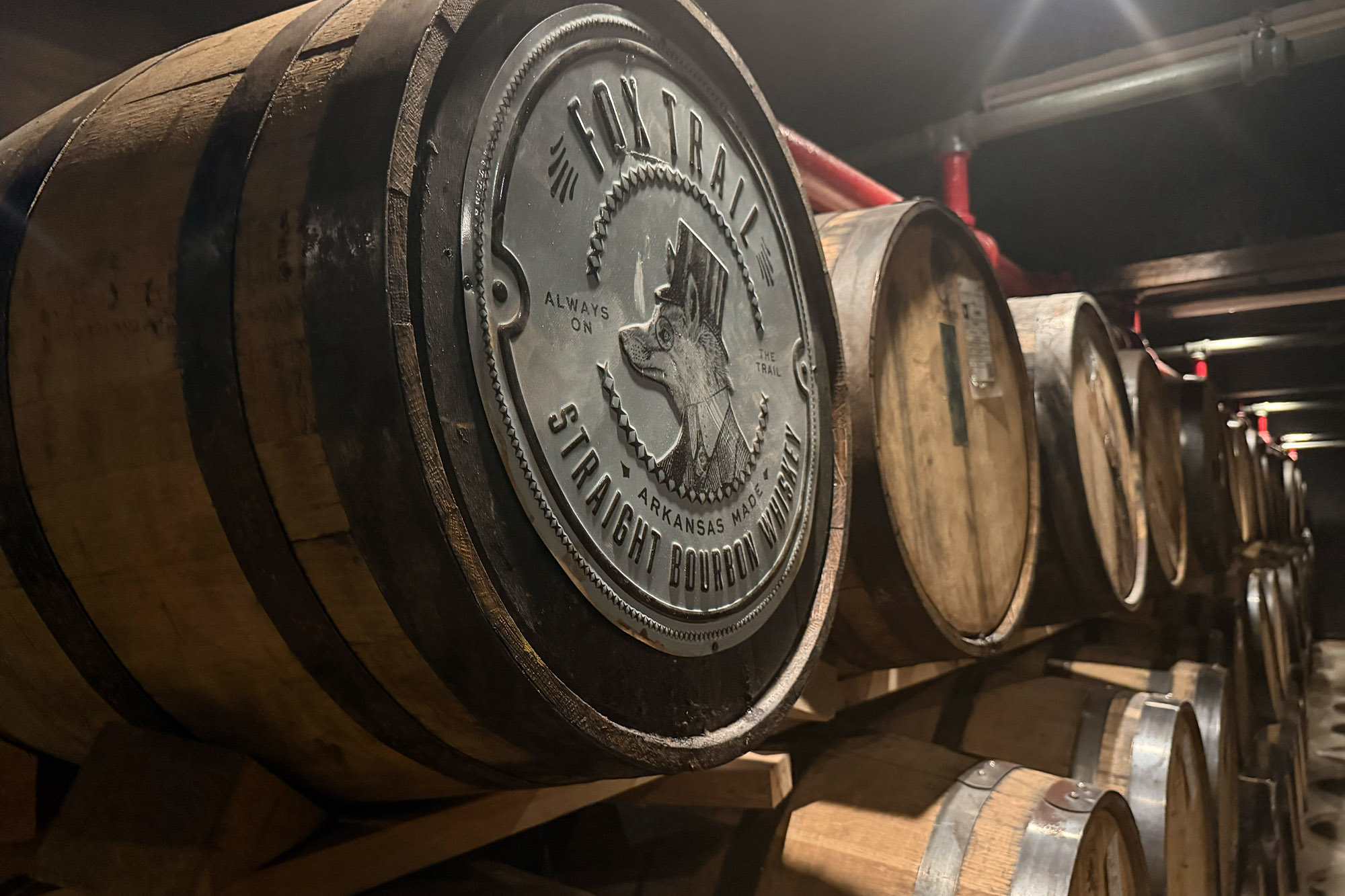
Red Hook acquired hundreds of barrels of bourbon from the shuttered Fox Trail distillery in Arkansas. Snyder plans to bottle the bourbon transparently rather than pretend Red Hook distilled it, and the used bourbon barrels can eventually help mature the distillery’s own single malt.
“We’re not going to claim that we made it,” Snyder said.
What they do have, he emphasized, is provenance: knowledge of how the spirit was produced and where the barrels came from.
Snyder also plans a whiskey bar with more than 500 selections from around the world, giving the project another reason for people to return even as Red Hook’s own spirits mature.
For Snyder, moving between worlds is nothing particularly new.
Before wine and spirits, there was music. He spent years traveling through the music world and, in the process, meeting wine producers around the globe. Those encounters eventually pushed him toward wine and spirits.
Today, Angel Share Distribution sits at the commercial foundation of his work, representing wines from around the world alongside products connected to Red Hook.
His office still reflects that earlier life. Instruments and music memorabilia sit among the ideas for wine, spirits and hospitality. It feels less like a clean break between careers than one long creative detour that somehow ended at the Brooklyn waterfront.
By the time we finished, our original plan to visit a winery felt almost quaint.
We had tasted wine straight from the barrel, moved through a cidery and newly built distillery, eaten oysters and clam bisque, and spent hours on the property without exhausting everything Snyder is trying to build there.
That may ultimately be what makes Red Hook Barrel Yard work. Snyder is not trying to turn a collection of different businesses into one indistinguishable experience. The winery still feels like a winery. The cidery gives you another reason to wander. The distillery is only beginning to take shape, and the food gives you an excuse to stay long enough to discover all of it.
Red Hook has always made New Yorkers work a little harder to get there.
For once, that feels less like an inconvenience than part of the appeal.
Manhattan is still right across the water. It just doesn’t feel like it.
Red Hook Barrel Yard
185 Van Dyke St., Brooklyn, NY 11231.