Subscribe to receive our daily tech reviews
Lorem ipsum dolor sit amet, consectetur adipiscing elit ut liqua purus sit amet luctus venenatis, lectus magna.


Come for the Wine, Stay for the Unexpected at Bashakill Vineyards
Hidden beside the Bashakill Wetlands in Wurtsboro, Bashakill Vineyards blends Sicilian winemaking, Lebanese hospitality, and artistic expression into one of the Catskills’ most distinctive destinations, just under two hours from New York City
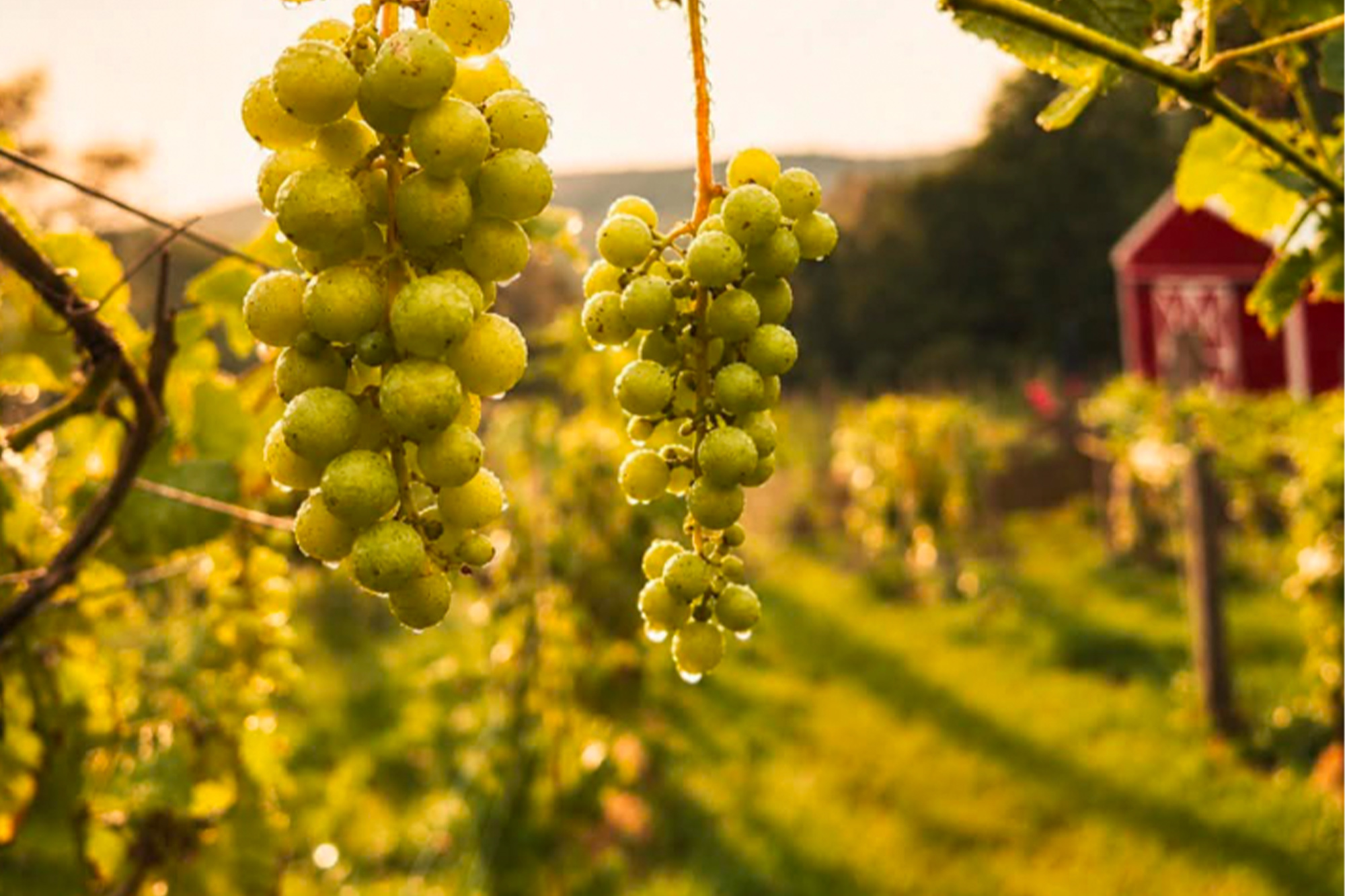
Long before Bashakill Vineyards welcomed its first visitors, Paul Deninno was exploring the forests, streams, and wetlands of nearby Westbrookville, New York. Raised just a few miles from the property, he developed a deep appreciation for the landscape that defines Sullivan County.
Although his career initially took him in a different direction, working first as a mechanic and later as an electrician, the outdoors continued to pull him back. That passion eventually led him to study viticulture at Cornell University’s College of Agriculture and Life Sciences.
In 2005, Paul purchased a parcel of land bordering the Bashakill Wetlands. At first glance, it was not an obvious place to plant a vineyard. But beneath its sandy soil, with the moderating influence of the surrounding marsh, was a microclimate capable of supporting cold-hardy grape varieties developed specifically for the northeastern United States.
“We started in a three-car garage, producing about 3,000 gallons of wine,” Paul says.
There were no grand facilities or outside investors, only years of experimentation, long hours, and hands-on craftsmanship. That process did not always unfold according to plan. An exceptionally wet growing season in 2009 caused much of the fruit to rot before harvest, forcing Paul to pick the grapes early.
“Nature always has the final say,” he says.
A New Chapter
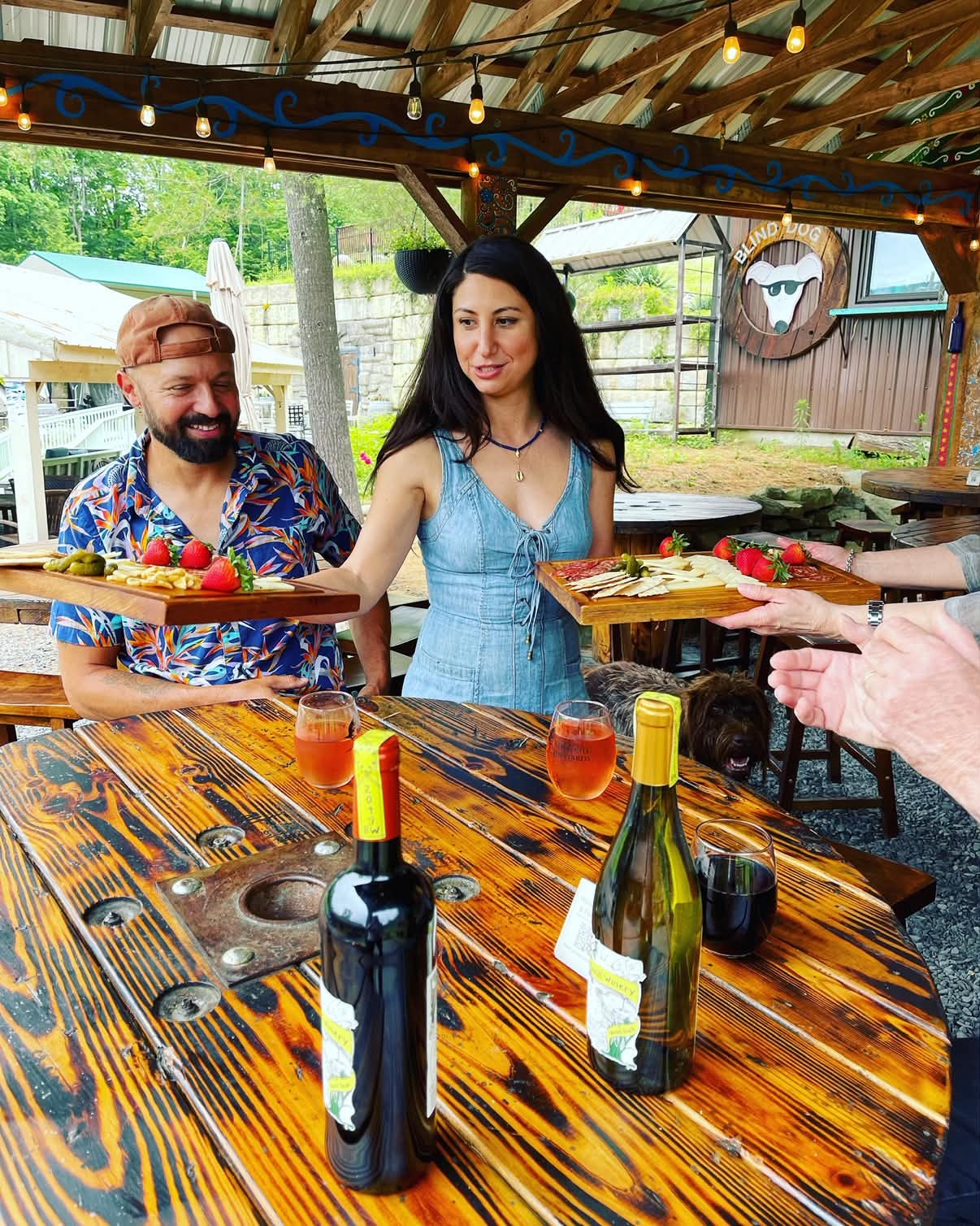
The vineyard entered a new chapter roughly thirteen years ago when Samara Ferris joined the business. As co-owner, she brought an artist’s eye for design and a passion for hospitality that helped shape the property’s identity. While Paul laid the vineyard’s agricultural foundation, Samara helped transform it into a place where visitors are invited not only to taste wine, but to slow down, explore, and feel genuinely at home.
“I see the property as a living canvas,” Samara says. “Every project naturally inspires the next.”
That philosophy is reflected throughout the estate, from thoughtfully designed gathering spaces and eclectic artwork to a menu inspired by global cuisines.
Their different backgrounds also influence how they understand wine. Paul points out that although wine is commonly associated with Italy, its history extends much farther east.
“Wine may be associated with Italy today, but its origins trace back to the Middle East,” he says.
Together, their partnership brings Italian winemaking traditions into conversation with Lebanese hospitality and artistic expression. Paul’s practical, engineering-driven approach gives the vineyard its foundation, while Samara’s cultural curiosity and instinct for hospitality give it warmth.
Cultivating Bashakill Vineyards
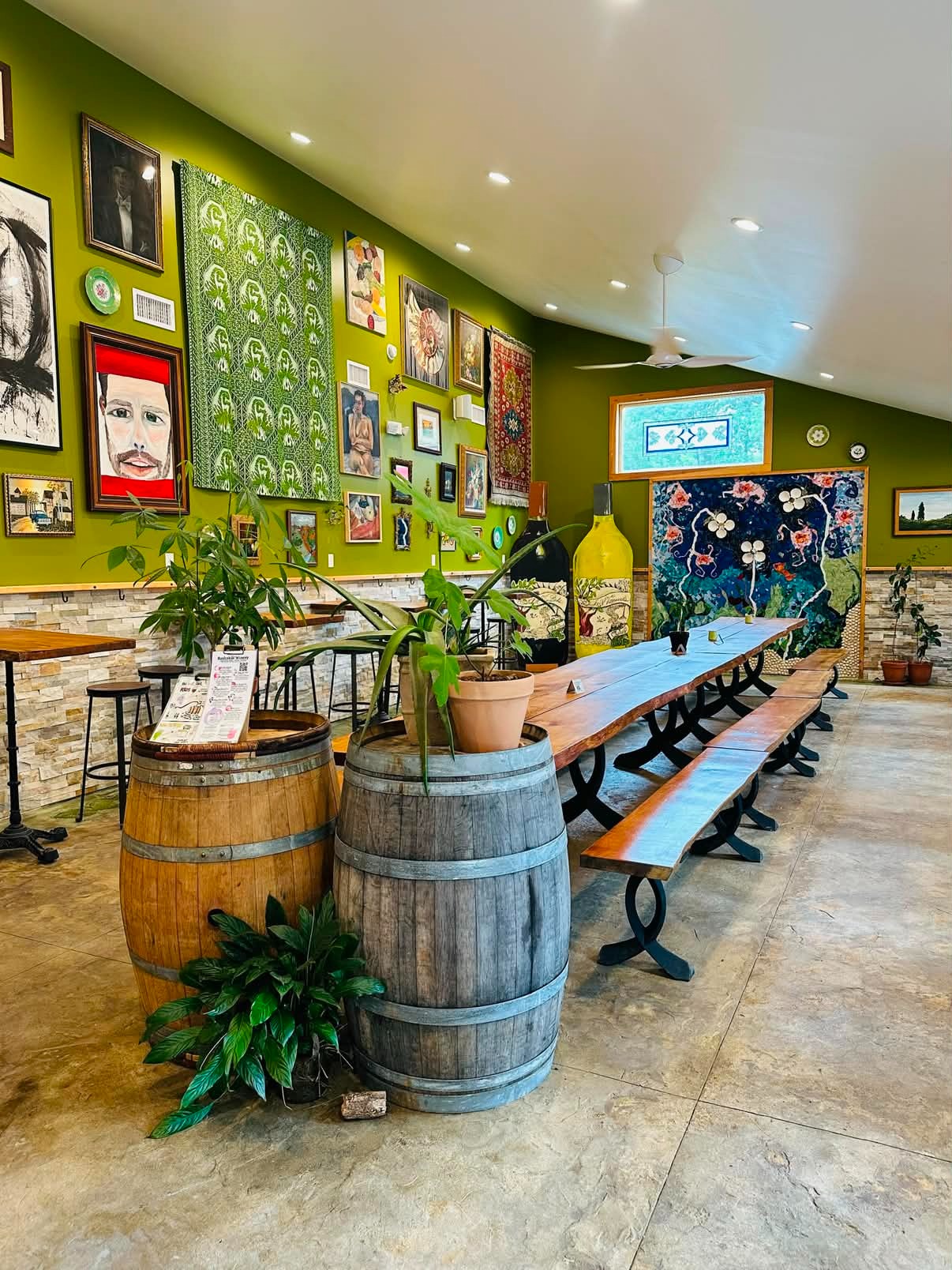
The best way to experience Bashakill Vineyards is to arrive without a strict plan or fixed ideas about what a vineyard should be.
Samara begins each tasting by learning what guests usually drink, but she deliberately avoids giving them too much information before the first sip.
“I want people to experience the wine without preconceived expectations,” she says.
Someone who has never preferred Chardonnay, for example, may simply not have encountered the right one. Samara’s approach encourages guests to move beyond familiar grapes, blends, and serving conventions without making the experience feel intimidating.
Guests receive three samples, often including wines they may never have chosen on their own. Chardonnay takes a less familiar form in Fiddlehead, fermented and aged entirely in stainless steel. Capri Crush, a bold yet approachable red, is served chilled, challenging the notion that red wine should always be poured at room temperature.
There is also the vineyard’s best-selling Organic Lavender White, which turns an unexpected infusion into one of Bashakill’s defining wines. Layla, Bashakill’s orange wine, is full of zest and bright citrus, offering a welcome bridge between whites and reds.
Needless to say, keep a close eye on your designated driver. Bashakill’s hospitality and libations may prove a little too tempting.
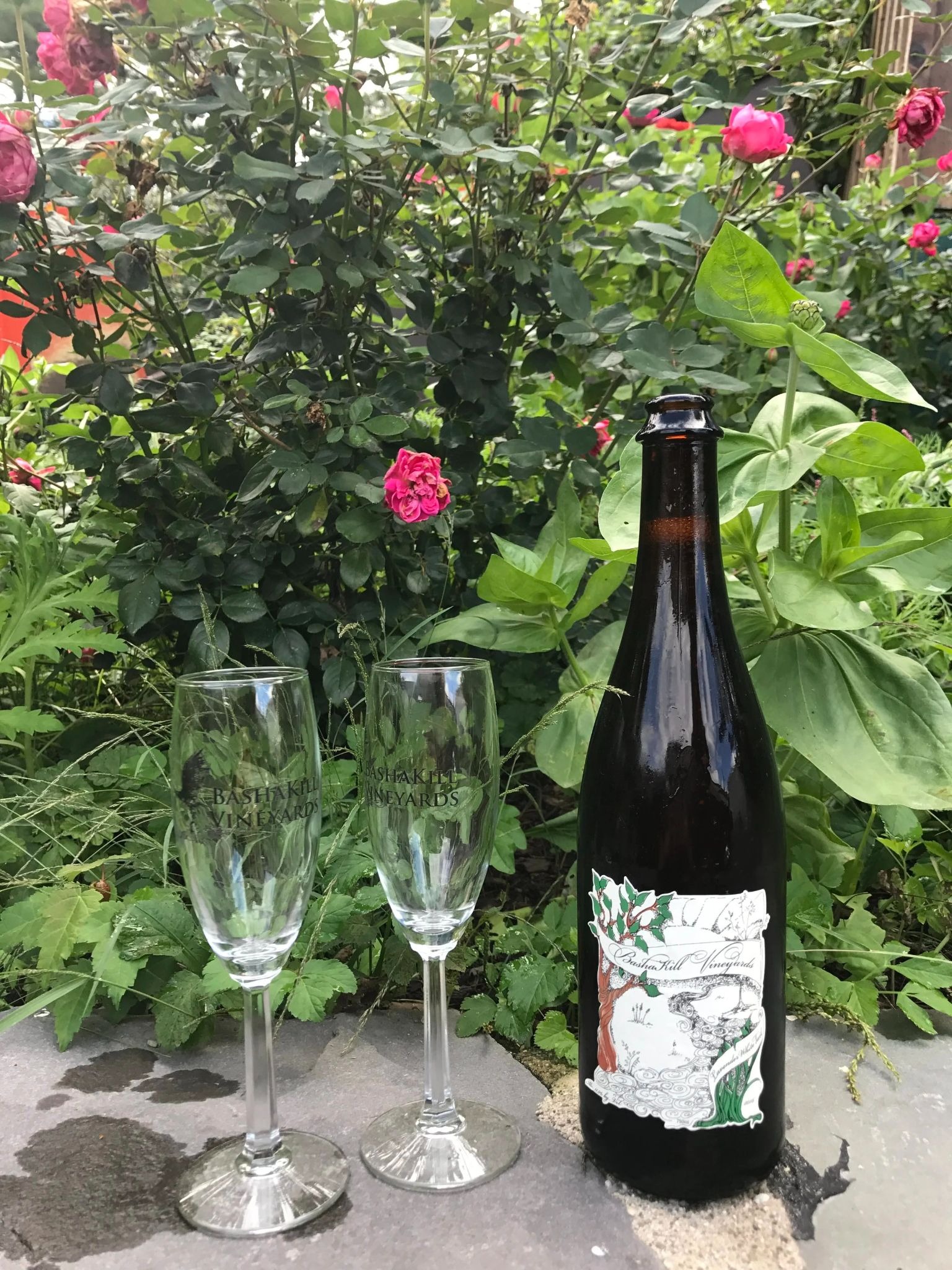
When asked about their favorites, neither Paul nor Samara is eager to declare one wine superior to the rest. Every bottle has its own place, season, and occasion. Rather than telling visitors which wine is best, they help each guest find the glass they did not expect to enjoy.
“The greatest reward is watching the finished wine come together after years of work and care,” Paul says.
Even the way the wine is served encourages guests to think differently about sustainability. Barrel-aged reds mature underground for two years before being transferred to reusable vessels and served on tap under nitrogen, preserving freshness while reducing the disposable packaging required by conventional bottling.
Beyond the Wine
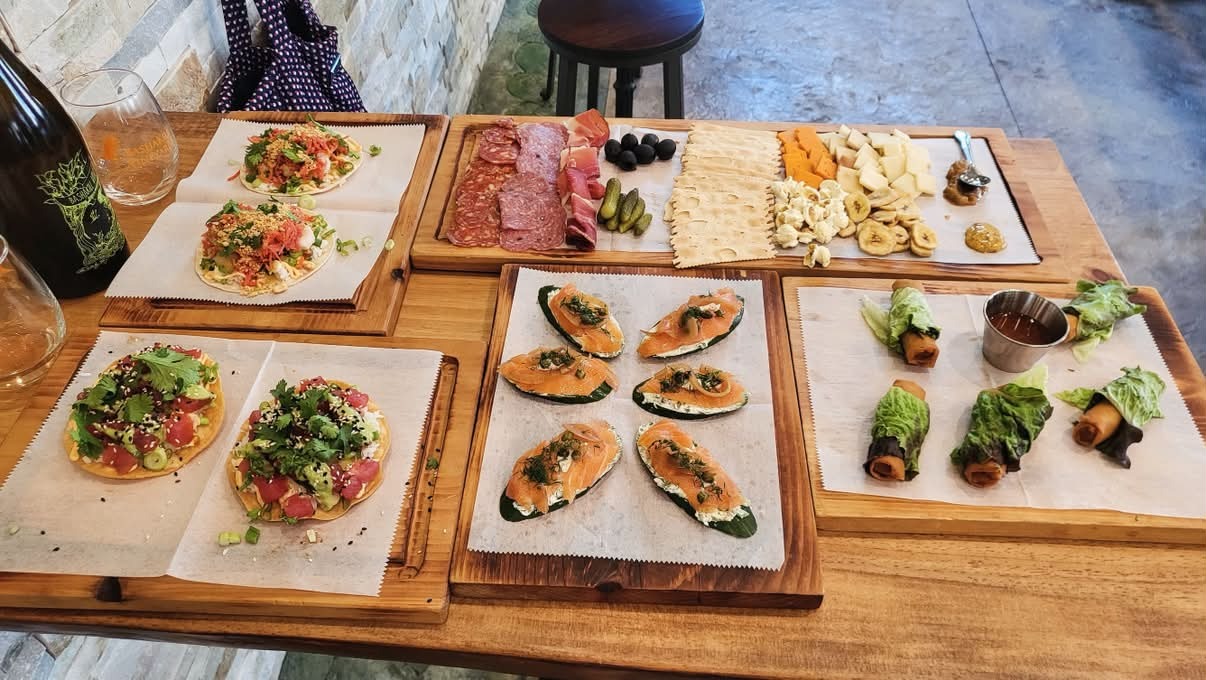
The food follows the same philosophy of curiosity and discovery.
Co-owner Samara Ferris also serves as the vineyard’s head chef. Her menu draws from Lebanese, Italian, Indian, and other global traditions, deliberately avoiding the burgers and fries visitors might expect from a rural tasting room. Instead, guests may find themselves biting into pani puri for the first time, sharing burrata layered with cacao and pistachios between glasses of wine, or finishing with ice cream sandwiches made from locally produced vanilla ice cream.
Of everything I expected to find at an upstate vineyard, my favorite Indian street food was not on the list. Each pani puri shell broke open into warm spiced vegetables, tangy tamarind chutney, and a sweet heat tempered by bright cilantro chutney. Paired with a glass of chilled Capri Crush, the fruit softened the spice while the wine’s freshness kept pace with every bite. It was impossible to eat delicately, which only made it more enjoyable.
For Samara, the menu is also personal.
“As a Lebanese woman living in rural upstate New York, I often felt isolated,” she says. “I wanted to create a place where people from different cultural backgrounds would immediately feel welcomed and appreciated.”
That desire is visible in the food, artwork, and architecture surrounding each guest. Samara has spoken about the pleasure of watching lifelong Sullivan County residents discover dishes they may never have encountered elsewhere.
“The greatest reward is hearing visitors describe Bashakill as a sanctuary where they feel safe, inspired, and welcome,” she says.
A Living Canvas
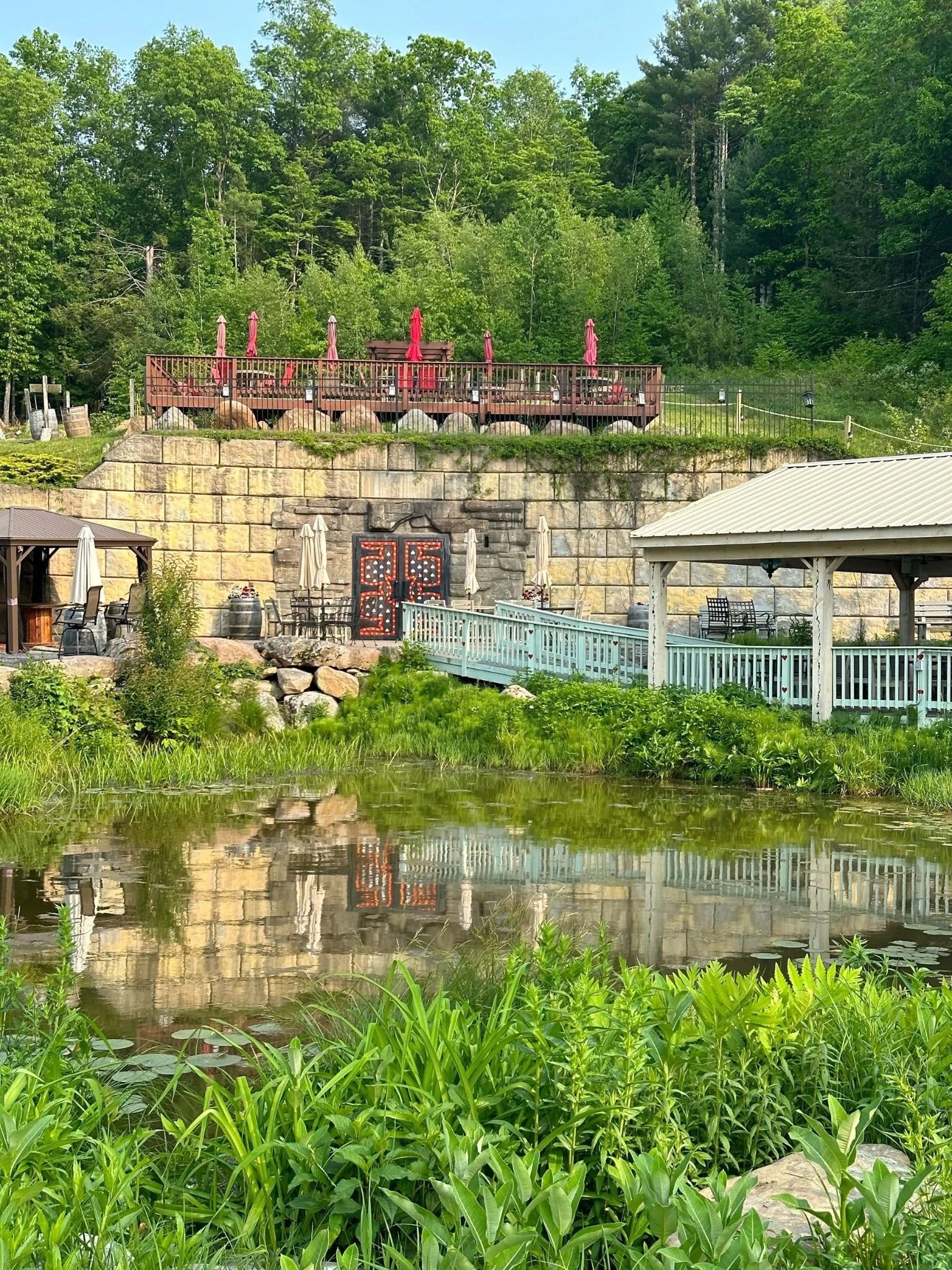
Wanderlust may just be a side effect of experiencing the vineyard. Every seating area has its own personality, artwork appears across nearly every surface, and visitors are encouraged to wander until they find the corner that feels like theirs.
Bashakill Vineyards does not hand you a small checklist and a miniature No. 2 pencil to mark off what you have tasted. It is a place to order something unfamiliar, wander with an open mind, split another plate, and discover how easily an afternoon can disappear when the wine is flowing and nobody is eager to leave.
“We want guests to remember Bashakill as an inspiring, joyful place,” Samara says. “Every visit should be an opportunity to discover something beautiful.”