Subscribe to receive our daily tech reviews
Lorem ipsum dolor sit amet, consectetur adipiscing elit ut liqua purus sit amet luctus venenatis, lectus magna.


Meet the Founder of Intrigue Magazine, the Unisex Lifestyle Publication Redefining Media
Jessica Toscano founded Intrigue Magazine with a vision to create a unisex lifestyle platform unlike anything else in media. Here’s what she shared about building a brand and navigating a competitive industry.
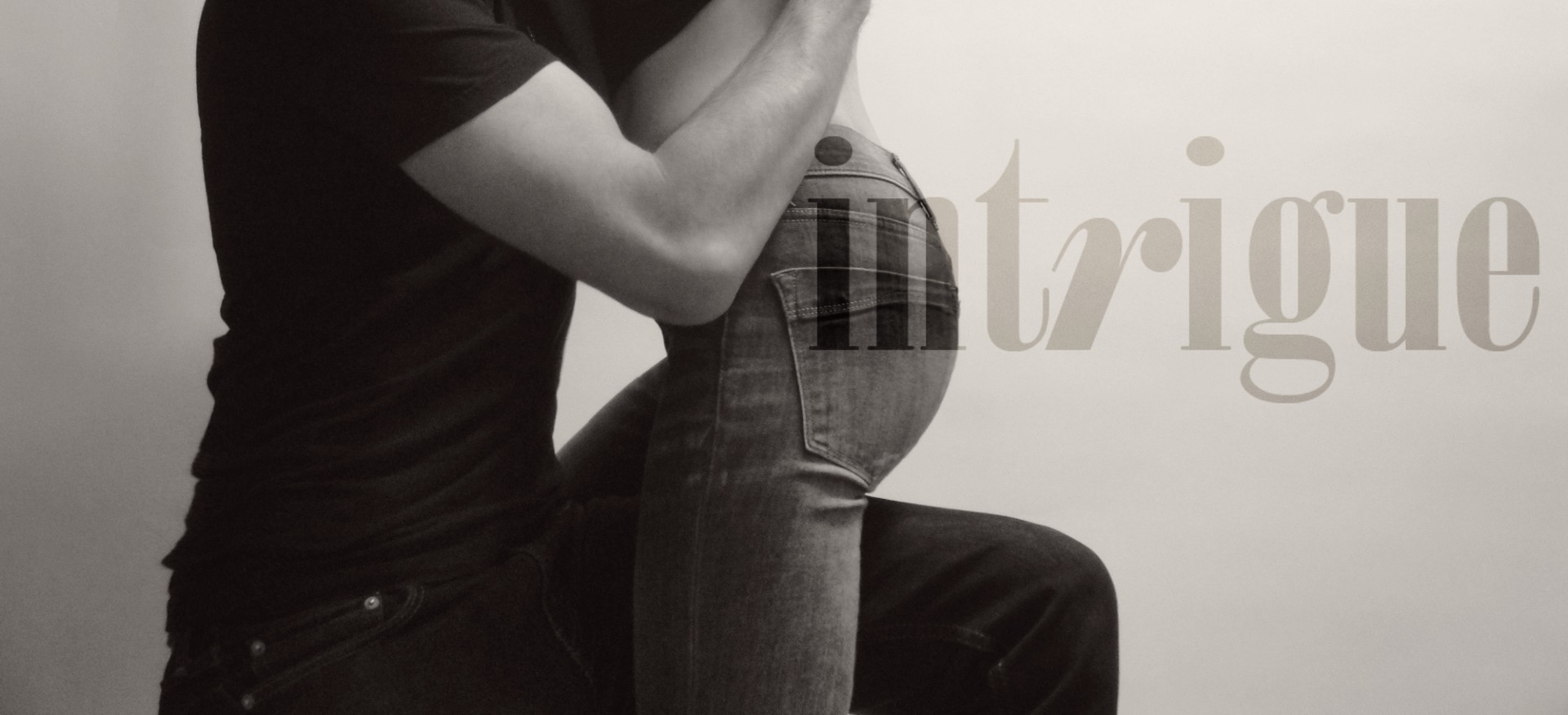
In an industry where everything moves too quickly, I’m a firm believer in supporting other journalists and niche magazines. One that I admire and follow comes from Jessica Toscano, founder of Intrigue Magazine, a unisex lifestyle publication and one of the first of its kind. I had the chance to speak to her about what makes a successful entrepreneur, and what it takes to survive in a cutthroat industry like media while still chasing our dreams.
Q: Talk to me about your magazine, IntrigueMag. When did you start it, and what were you trying to build?
A: It’s kind of a funny story. I wasn’t trying to build anything substantial at first. I was 19, just a freshman at college, and I remember blogs were huge at the time. My aunt was my only mentor. I didn’t have anybody in the journalism industry to look up to, so I didn’t know what I was doing. She's the one who encouraged me and said, "You should start a blog so you can showcase your writing."
I sat with it for a while, started a couple of blogs that I didn’t love and couldn’t keep up with because I wasn’t passionate about them. Eventually, I landed on a dot Weebly called Intrigued by You; that was the original name. I would go around campus and talk to 50 men and 50 women, because I always knew I wanted it to be unisex, even if I didn’t have that word yet. I’d ask all kinds of embarrassing questions. I’d go up to men on campus and say, "Hey, do you mind if I ask you some questions for my blog?" and it would be something like what they prefer their girlfriend to wear to bed, with options. Then I'd write about it, and that's how it started.
Q: What did the blog look like back then?
A: That’s a great question. It looked really different. It was still basic, but I had all of my friends step in as models for photo shoots. We took all of our own photos for every article, which is kind of crazy to think about now, because honestly, who has the time for that. Everything was built from the ground up. Every color, the logo, everything on the website was hand-selected.
The articles at that time weren’t fully editorial yet, but they also weren’t like a typical blog either. I was using real data, but not national studies. I was collecting it myself.
Q: When did you start seeing a bigger direction for the brand?
A: I kept revamping it the more I learned about editorial. I started noticing that brands were moving in a unisex direction, even if magazines weren’t there yet. What’s funny is I started asking for pronouns and using pronouns on the platform before I was seeing that in publications. I have a lot of friends in the LGBTQ community, and at that time some of them were transitioning, so it felt important. That was the direction I started to head in, and the gap I saw in media that I wanted to fill.
Q: What was the biggest challenge when you launched?
A: My biggest challenge is not having a background in business. I’ve had to use my journalistic ability to learn everything step by step: a lot of research and figuring things out as I go. Managing a team isn’t the part that worries me; it’s more making sure I’m doing everything ethically, legally, and learning how to scale [my business] from a self-funded perspective.
Q: What are the most important lessons you’ve learned?
A: The number one thing, and I’ve always been this way, I never believed in starting from the bottom. I always believed in shooting for the stars. Even with freelancing, instead of reaching out to smaller blogs, I immediately started pitching top-tier publications. My first real published article was picked up by Self Magazine.
The second thing is consistency. Honestly, I’m still working on that. If you’re not consistent, you’re losing trust with your audience. People want someone who’s on top of their work.
Q: What does your day to day look like?
A: Every day is different. If you’re not an entrepreneur, it’s hard to fully understand that. It’s easy to have friends and family who are supportive, but not always in ways that are actually helpful. People will say things like "Don’t over-exhaust yourself’" or "Why don’t you just take a break," and I get where that’s coming from, but it’s not always realistic.
You can’t just step away if you’re in the middle of something, or if you have deadlines or meetings. You’re responsible for everything, so it’s different. Sometimes things just happen and you don’t plan for it. Recently, my laptop crashed while I was working on the website and I couldn’t access anything. I had to stop, buy a new one, and wait a couple of days before I could get back into everything. It’s not predictable day to day.
Q: Who has been your biggest supporter?
A: Originally, my aunt. She encouraged me to start. She passed away about a decade ago, but I still feel like she’s here and proud of me. Now, my parents, especially my mom, have been really supportive. Even during tough moments, like getting laid off, they’ve always believed I’ll figure it out.
Q: What do you think about the current media landscape?
A: There’s a lot being said about the media right now that isn’t really true. For the most part, journalists really do want to uncover the truth and make a difference. Like any industry, there are people who operate differently, but overall, that’s the intention.
Q: Final thoughts?
A: There’s something I always think about: helping someone else succeed doesn’t take anything away from you. In this industry, people can be competitive in a way that turns negative. But if you’re confident in what you’re building, you don’t have time to focus on tearing someone else down. And if you’re not being supported in a space, it’s probably not the right room for you.